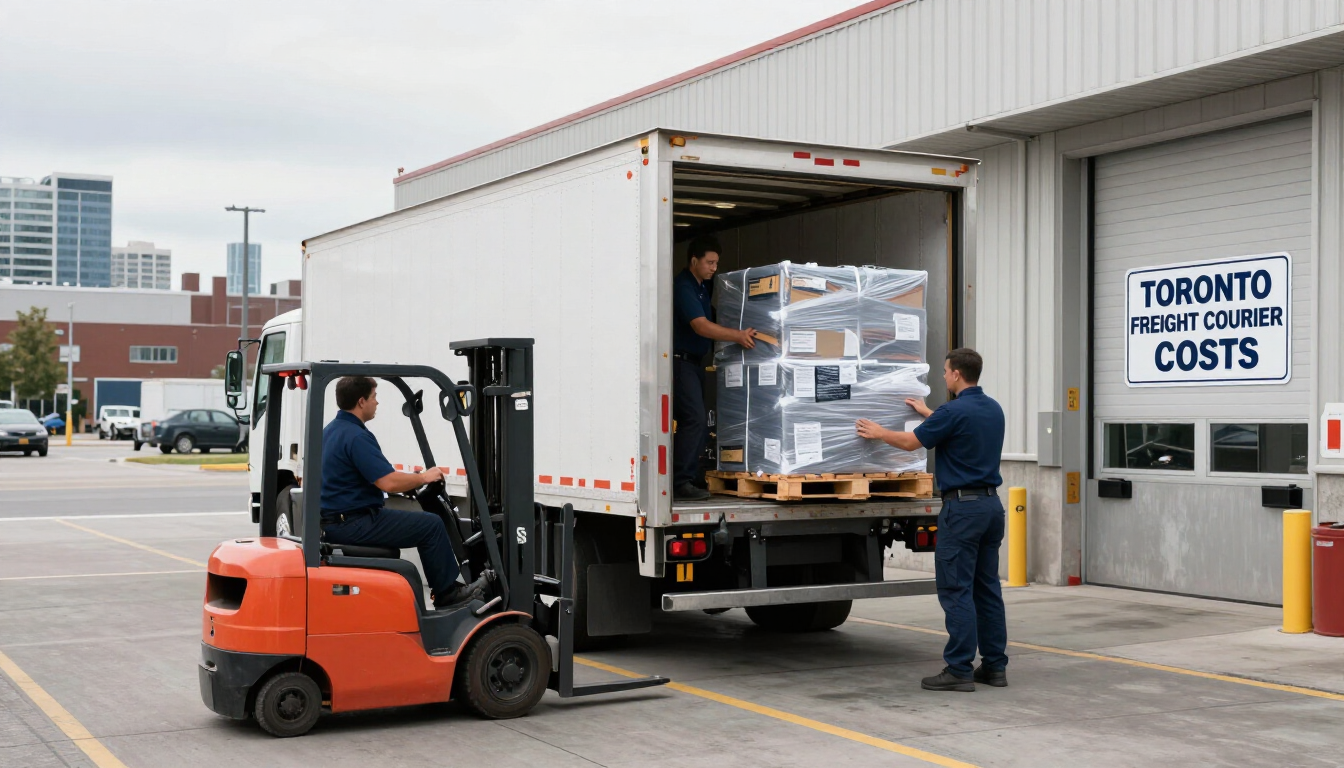
Learn what affects freight courier costs in Toronto, including shipment size, vehicle choice, route, timing, handling needs and the details needed for an accurate quote.
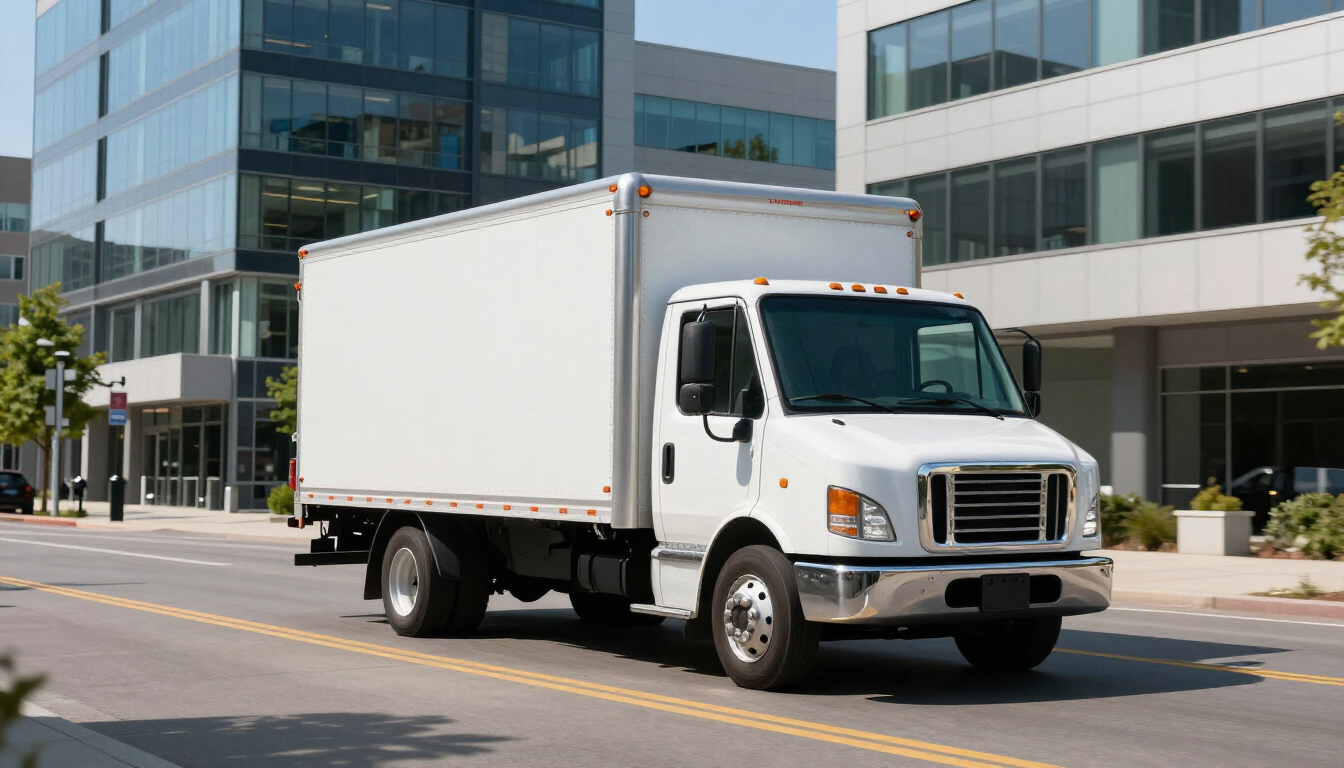
Learn how professional courier services in Burlington Ontario provide a competitive edge through reliable, same-day delivery and efficient logistics.

Discover how same-day delivery keeps Ontario businesses moving. Learn about the benefits of urgent courier services for manufacturing, healthcare, and retail sectors.

Shipping materials across an international border can open exciting opportunities for your business — but it also comes with detailed paperwork requirements. Missing or incorrect documents can cause delays, penalties, or even shipment seizures. The good news? With the right preparation — and the right logistics partner like Powerlink Courier — cross-border shipping becomes smooth, compliant, and stress-free. Below is a practical guide to the essential paperwork you’ll need and how Powerlink Courier helps you manage everything from documentation to final delivery.

Shipping materials across an international border can open exciting opportunities for your business — but it also comes with detailed paperwork requirements. Missing or incorrect documents can cause delays, penalties, or even shipment seizures. The good news? With the right preparation — and the right logistics partner like Powerlink Courier — cross-border shipping becomes smooth, compliant, and stress-free. Below is a practical guide to the essential paperwork you’ll need and how Powerlink Courier helps you manage everything from documentation to final delivery.

We’ve all been there. It’s 3:00 PM on a Thursday, and suddenly, a crucial contract needs to be signed and delivered across town before the business day ends. Or perhaps a manufacturing line is stalled because of a missing part that’s sitting in a warehouse three cities away. Panic sets in. You start scrambling, wondering if it's even physically possible to get your shipment where it needs to go. In the logistics world, we call these "last-minute requests," but you probably just call them "headaches." The good news is that with the right partner, a tight deadline doesn't have to result in a crisis. At Power Link Courier, we specialize in turning logistical emergencies into business-as-usual success stories. Whether you are in the GTA, shipping across Canada, or sending goods to the USA, here is how we handle the pressure so you don’t have to.

Running a business feels like a constant juggling act. You manage employees, keep clients happy, and try to grow your bottom line, all while putting out daily fires. In the middle of that chaos, logistics often become an afterthought—until something goes wrong. A package arrives late, a sensitive document gets lost, or shipping costs suddenly eat into your margins. You might think handling deliveries in-house or relying on standard postal services is "good enough." But what if your delivery strategy could actually be a competitive advantage? Partnering with a reliable courier service isn't just about moving a box from point A to point B. It is a strategic move that can fundamentally shift how your business operates. When you trust experts like PowerLink Courier with your logistics, you unlock efficiency, save money, and build a reputation for reliability that competitors can't touch. Here are five ways a professional courier service can transform your daily operations.

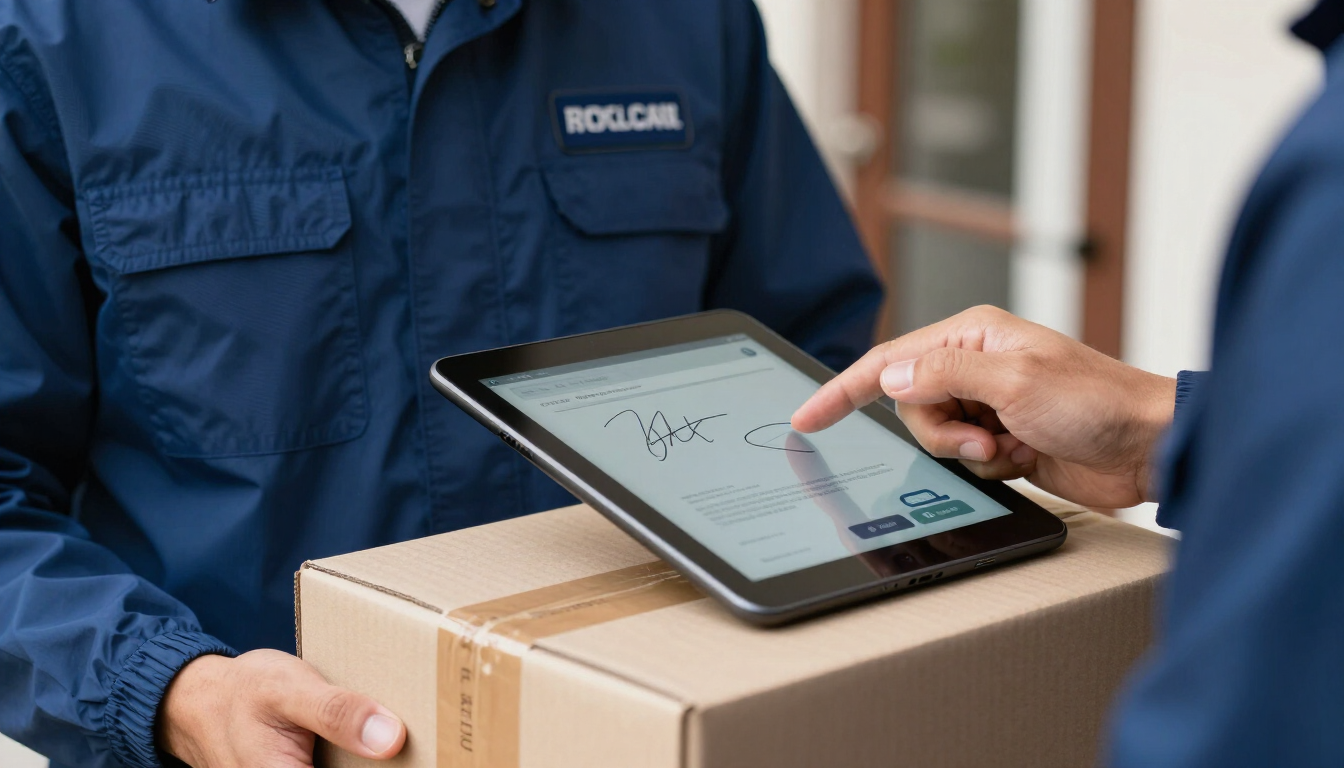
Why a Dependable Courier Service is Essential In business, promises matter. When you tell a customer their order will arrive by a certain date, you are making a commitment. A reliable courier service is the partner that helps you keep that promise. They provide the infrastructure, expertise, and dedication needed to navigate the complexities of logistics. An unreliable partner can create significant problems. A single late shipment might mean a missed deadline for a critical project. Damaged goods can result in costly replacements and frustrated clients. These issues disrupt your operations and can slowly erode the trust you have built with your customers. A dependable service, on the other hand, provides peace of mind, allowing you to focus on your core business while they manage the deliveries. Finding a Partner for Every Shipment: Power Link Expedite With over 25 years of experience, Power Link Expedite has established itself as a leading provider of courier and freight services. They have built a reputation for reliability by combining state-of-the-art technology with a dedicated team of experienced drivers. Their extensive fleet is equipped to handle deliveries of all sizes, from a single envelope to multiple pallets, across Canada and the USA. Power Link Expedite understands that no two shipments are the same. That's why they offer a wide range of services tailored to meet diverse business needs. Direct Drive Services When time is of the essence, Direct Drive is the solution. This service is designed for your most time-sensitive shipments. Power Link Expedite picks up your goods and transports them directly to their destination anywhere in Canada or the USA. Your urgency becomes their priority, ensuring critical deliveries arrive without delay. Routed Delivery For businesses with recurring delivery needs, routed delivery offers an efficient and economical solution. Power Link Expedite works with you to establish regular delivery routes that align with your business schedule. This is perfect for inter-office mail, regular customer deliveries, or supply chain logistics, providing consistency and predictability. Custom Solutions Your business has unique challenges, and your shipping strategy should reflect that. Power Link Expedite specializes in creating flexible, cost-effective solutions tailored to your specific requirements. They will work with you to develop a logistics plan that fits your operational needs and budget, providing a truly personalized service. Comprehensive Freight and Shipping Options Beyond standard courier services, Power Link Expedite offers a full spectrum of freight and shipping solutions to handle any load, no matter the destination. USA Shipping Navigating cross-border shipping can be complex. Power Link Expedite simplifies the process with its dedicated USA shipping services. They manage the logistics of moving goods between Canada and the United States, ensuring a smooth and timely transit. Air Cargo For shipments that need to travel long distances in the shortest amount of time, air cargo is an ideal choice. Power Link Expedite coordinates air freight to get your goods where they need to be quickly and efficiently. Truckload (TL) and Less-Than-Truckload (LTL) Whether you have enough goods to fill an entire truck or just a few pallets, Power Link Expedite has a solution. Their Truckload (TL) service is for large shipments, while Less-Than-Truckload (LTL) allows you to share truck space with other shippers for a more cost-effective option on smaller loads. Refrigerated Freight Services Some goods require a specific temperature to maintain their integrity. Power Link Expedite offers refrigerated freight services for transporting pharmaceuticals, food products, and other temperature-sensitive items. Their specialized vehicles ensure your products remain at the correct temperature throughout their journey. Technology and Experience You Can Trust Power Link Expedite’s commitment to reliability is backed by advanced technology. They utilize modern dispatch tools and provide electronic Proof of Delivery (P.O.D.), giving you visibility and confidence in your shipment’s status. This combination of industry experience and technological innovation allows them to deliver personal, courteous service that companies across North America have come to trust. Their service area started in the Greater Toronto Area (GTA) and has expanded to cover all of Canada and the USA, serving industries from automotive and construction to healthcare and manufacturing. Make Your Next Delivery a Success Choosing the right courier service is an investment in your business's success. A reliable partner ensures your goods are handled professionally, delivered on time, and arrive in perfect condition. With a comprehensive range of services and a long-standing commitment to customer satisfaction, Power Link Expedite is equipped to handle all your shipping needs. If you are looking for a courier and freight partner that prioritizes reliability and offers solutions for every type of shipment, consider Power Link Expedite.

A Solution for Every Shipping Scenario Your shipping needs are unique. That's why we don't offer a one-size-fits-all solution. Instead, we provide a spectrum of specialized services, allowing you to choose the perfect fit for your timeline, budget, and cargo. Direct Drive: When Urgency is Everything Some shipments can't wait. For your most time-sensitive goods, our Direct Drive service offers an immediate, dedicated solution. When you choose Direct Drive, we dispatch a driver exclusively for your delivery. They pick up your package and drive it directly to its destination anywhere in Canada and the USA. This non-stop service is ideal for: Urgent legal or financial documents Critical machine parts to prevent downtime Time-sensitive medical supplies Your urgency becomes our priority. We are experts at the direct pickup and delivery of time-critical shipments, giving you peace of mind when it matters most. Routed Delivery: Efficiency for Recurring Needs Do you have regular, recurring deliveries? Our Routed Delivery service provides an economical and efficient solution. We work with you to establish fixed delivery routes that align with your business schedule. This is perfect for inter-office mail, regular supply chain replenishments, or scheduled customer deliveries. By optimizing routes and consolidating shipments, we help you save time and money while ensuring consistent, reliable service. Custom Solutions: Tailored to Your Business Standard services don't always fit complex business requirements. You might need a combination of warehousing, specialized handling, or a unique delivery schedule. Our Custom Solutions are designed for this very reason. We partner with you to understand your specific challenges and build a flexible, cost-effective logistics plan tailored just for you. We serve a wide range of industries, including automotive, healthcare, manufacturing, and legal, each with its own set of demands. Let us create a shipping strategy that integrates seamlessly with your operations. Expanding Your Reach: Canada and USA Shipping In a connected North American market, your business can't be limited by borders. Power Link offers robust shipping services that cover the GTA, all of Canada, and the United States. USA Shipping Services Navigating cross-border logistics can be complicated, but it doesn’t have to be. Our USA Shipping services are designed to make shipping to and from the United States smooth and hassle-free. We manage the details, ensuring your freight clears customs and arrives at its destination without delay. Comprehensive Freight and Specialty Services Beyond standard courier packages, we have the capacity and equipment to handle larger and more specialized loads. Our extensive fleet is ready to tackle any freight requirement you have. Freight Services: From Pallets to Truckloads Whether you have a single pallet or need a full truck, our Freight Services have you covered. We provide both Less-Than-Truckload (LTL) and Truckload (TL) options. LTL (Less-Than-Truckload): If your shipment doesn't require a full truck, LTL is a cost-effective choice. We combine your freight with other shipments heading in the same direction, so you only pay for the space you use. TL (Truckload): For larger shipments that fill an entire truck, our TL service provides a dedicated vehicle for your goods, ensuring direct transit and faster delivery times. Refrigerated Freight Services Some goods require a specific temperature to maintain their integrity. Our Refrigerated Freight Services are essential for businesses in the pharmaceutical, healthcare, and food and beverage industries. Our temperature-controlled vehicles ensure that your sensitive products are transported in a stable environment from pickup to delivery, protecting their quality and safety. The Power Link Advantage: Technology and Reliability What ties all our services together is a commitment to reliability, backed by advanced technology. Our state-of-the-art dispatch and tracking tools provide real-time visibility into your shipment's journey. You can monitor your package’s progress and receive an electronic Proof of Delivery (P.O.D.) as soon as it arrives. Our experienced drivers and logistics professionals are dedicated to providing personal, courteous service, making us a trusted partner for companies nationwide. Let Us Handle Your Next Shipment No matter what you need to ship, where it needs to go, or how fast it needs to get there, Power Link has a solution. We handle everything from urgent envelopes to multiple pallets, with services spanning the GTA, Canada, and the USA. Stop juggling multiple carriers and let our team provide the simple, reliable shipping partner you need. Focus on your business and leave the logistics to us. Ready to get started? Request a quote today or contact us to discuss your specific shipping needs. Our team is here to help you find the perfect solution.

Direct Drive for Urgent Deliveries When time is of the essence, you need a service that prioritizes speed without sacrificing security. A top-tier courier should offer a direct drive option for your most urgent shipments. This service means your package is picked up and taken directly to its destination with no stops or transfers in between. Power Link Courier’s Direct Drive service is designed for these high-priority situations. They treat your time-sensitive goods with the urgency they deserve, offering dedicated transport across Canada and the USA. This specialized focus ensures your critical items, from legal documents to machine parts, arrive as quickly as possible, giving you one less thing to worry about. Routed Delivery for Consistent Needs Many businesses have recurring delivery needs, such as daily bank deposits, inter-office mail, or regular customer drop-offs. Managing this in-house can be costly and inefficient. A reliable courier offers routed delivery services to streamline these regular tasks. This service establishes an economical and efficient schedule tailored to your business operations. Power Link Courier works with clients to create customized delivery routes that fit their specific schedules. This ensures consistency and reliability for your ongoing logistical needs, allowing you to focus on your core business activities while your deliveries run like clockwork. Custom Solutions for Unique Requirements No two businesses are exactly alike, and sometimes a standard service just doesn't fit. A flexible courier partner understands this and provides custom solutions. This means they are willing to work with you to create a delivery plan tailored to your specific, and often complex, requirements. Whether you need specialized handling for fragile items, unique delivery windows, or a complex multi-stop route, a company like Power Link Courier can build a cost-effective solution from the ground up. This flexibility is a hallmark of a customer-focused company and provides the assurance that your unique shipping challenges can be met. Comprehensive Freight Services Your shipping needs can range from a small envelope to multiple pallets. A versatile courier should have the capacity and expertise to handle freight of all sizes. This includes both truckload (TL) and less-than-truckload (LTL) shipping. Power Link’s extensive fleet and state-of-the-art technology allow them to manage large-scale shipments with precision. LTL services are perfect for when you don't have enough cargo to fill a whole truck, offering a cost-effective way to move your goods. For larger shipments, their TL service provides a dedicated truck to ensure your freight arrives together and on schedule. Specialized Handling: Refrigerated Freight Certain industries, such as healthcare, pharmaceuticals, and food and beverage, depend on the ability to ship temperature-sensitive goods. A premier courier service should offer refrigerated freight options to ensure these products maintain their integrity from pickup to delivery. This specialized service uses climate-controlled vehicles to transport items that require a stable temperature. Power Link’s refrigerated freight services are critical for businesses whose products could be compromised by temperature fluctuations, providing an essential layer of security and quality assurance. Cross-Border and Air Cargo Capabilities Business often extends beyond local or national borders. Seamless USA shipping and fast air cargo options are crucial for companies operating on a larger scale. A capable courier will have the expertise to navigate customs and international logistics, preventing delays and complications. Power Link Courier simplifies cross-border logistics with their USA Shipping service and provides rapid delivery for coast-to-coast or international needs through their Air Cargo options. This comprehensive reach ensures that no matter the distance or urgency, your package has a clear and efficient path to its destination. Technology That Breeds Confidence In a world of instant information, waiting and wondering is a source of anxiety. Modern courier services must leverage technology to provide transparency and communication. Features like real-time package tracking and electronic proof of delivery (P.O.D.) are no longer luxuries; they are necessities. Knowing exactly where your shipment is at any given moment provides immense peace of mind. Power Link Courier utilizes advanced driver and dispatch tools that give you a clear view of your delivery's progress. Once the delivery is complete, an electronic P.O.D. confirms its arrival instantly, closing the loop and providing a final, definitive update. A Partner You Can Trust Ultimately, peace of mind comes from working with a company that puts your needs first. With over 25 years of experience, PowerLink Courier has built its reputation on personal, courteous service and unwavering reliability. Their wide range of services, backed by advanced technology and a customer-centric approach, demonstrates a deep understanding of what businesses need from a logistics partner. When you choose a courier, you're choosing a partner to represent your business. Select one that delivers not just your packages, but also confidence and peace of mind with every shipment. If you’re ready to experience a new level of reliability in your shipping, contact a provider who understands your needs. Request a quote from Power Link Courier to see how their services can benefit your business.